
Muhammad Zaeem Khan
Senior Backend Engineer | SaaS & Mobile | Agentic Engineering
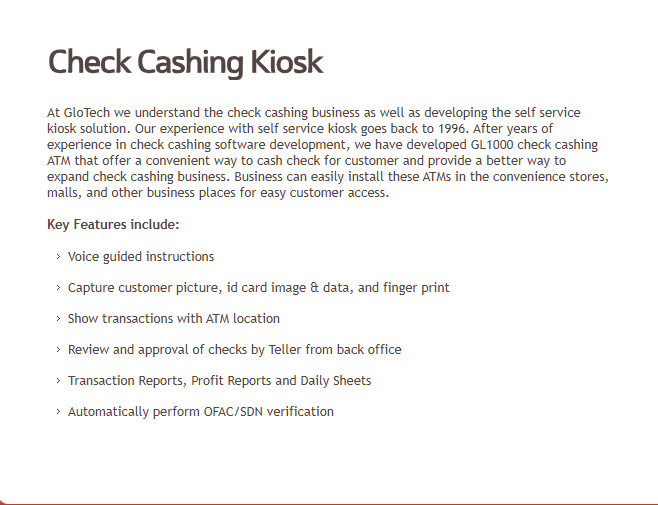
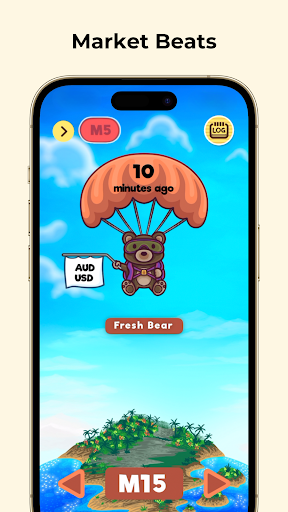
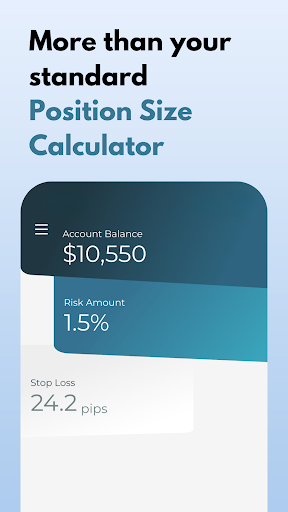
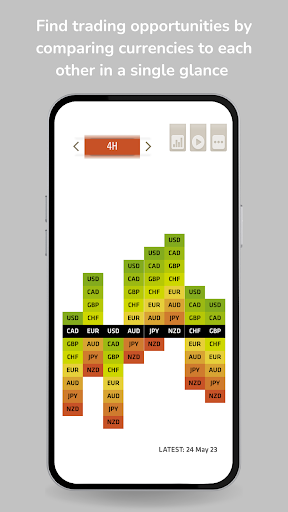
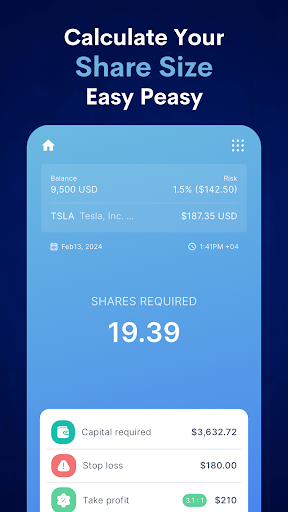
Specialties: Multi-Tenant SaaS on Postgres & Supabase, Enterprise C# / .NET Backends, HIPAA Healthcare Platforms, Shipping with Claude Code & Codex, Restaurant POS & Payment Integrations, White-Label E-Commerce for US Retailers, Stripe Connect Payments & Payouts, Multi-Tenant ASP.NET Core with CQRS, Trader Apps for iOS & Android, Flutter Apps Shipped to Both Stores, AI Chrome Extensions & RAG Chat Agents, Error Monitoring & Tracing with Sentry, Legacy Data Migration Wizards, Supplier Dropship & Order Automation, Uber Eats, Clover & Moneris Integrations, ML Kit Pose Detection on Android, Xamarin Apps with Twilio VoIP, WinForms Desktop Systems & T-SQL, Web Scraping & Price Tracking Tools.
Now faster with AI, and every change is still tested and reviewed.
Available for new projects
- Years Experience
- 16+
- Projects Shipped
- 55+
- Mobile Apps Shipped
- 35+
- Remote Since
- 2011
About Me
I'm a senior backend engineer with 16+ years of shipping production software, end to end. I build SaaS platforms, mobile apps and enterprise backends for healthcare, fintech, e-commerce, restaurant POS, and beauty & wellness businesses.
Lately I've been hardening the database security and CI guardrails of a multi-tenant salon & spa SaaS, and rolling out error monitoring with patient-data scrubbing on a HIPAA healthcare portal. I build with Claude Code and Codex, and every change still clears tests and code review before it ships.
Agentic Engineering
Claude Code, Codex, OpenAI APIs, test-gated delivery
Full Stack
.NET, Node.js, PHP, React, Postgres, Supabase
55+ Projects Shipped
Healthcare, fintech, POS, e-commerce
Mobile
Android, iOS, Flutter, KMP, React Native
Companies I've Built For
SaaS platforms, healthcare, US grocery retail, restaurant POS, fintech and enterprise. Remote delivery to US / UK / EU teams since 2011.
NeonO
Multi-tenant salon & spa platform
Beauty & Wellness SaaS
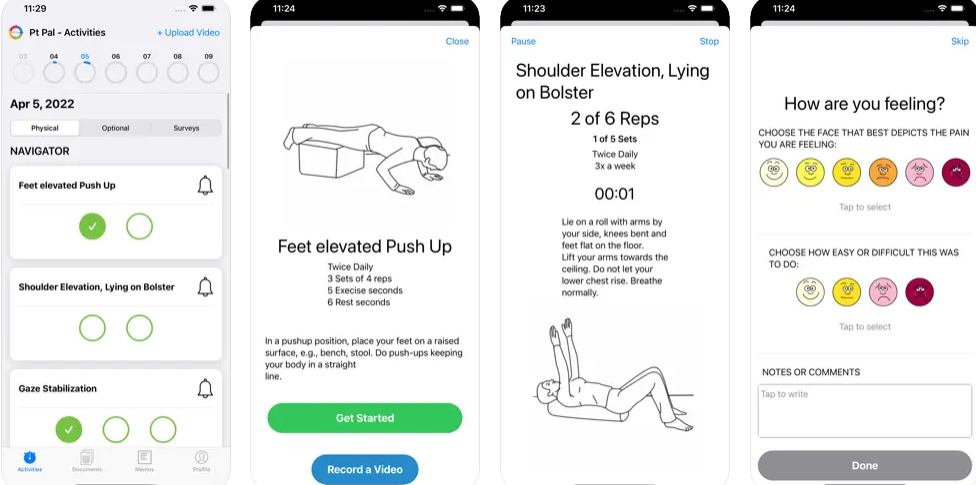
Pt Pal
HIPAA therapy app & clinician portal
Healthcare
Pepsi Cola
Enterprise MIS, 300+ employees
Manufacturing
GrocerKey / Point Pickup
10+ US grocery retailers
E-Commerce
Black Tower Investments Ltd.
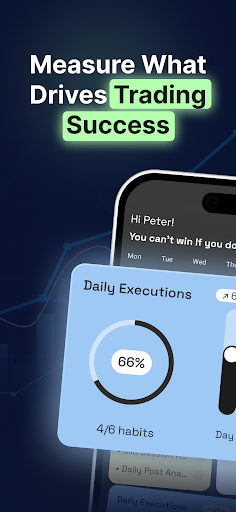
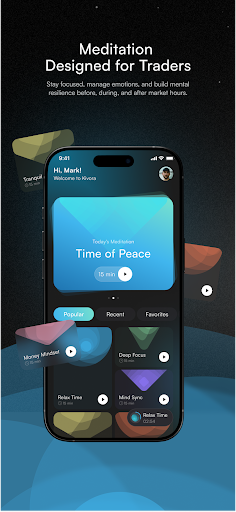
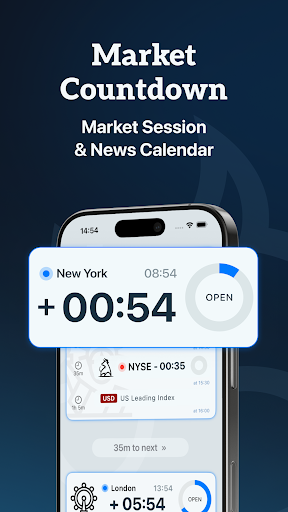
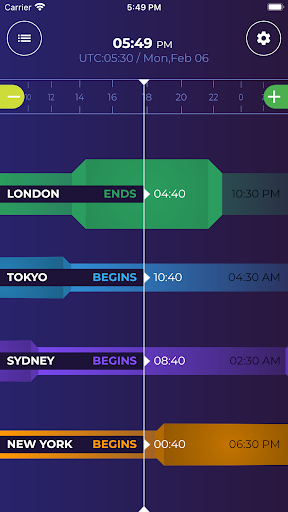
Trader companion apps
Fintech
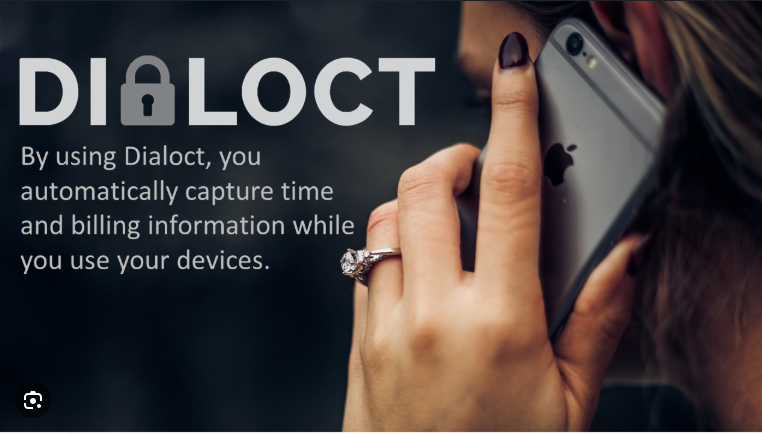
Dialoct
US legal platform
Legal Tech
ABS POS / WinRest
20+ year-old POS codebase
Restaurant POS
How I Work
I'm the engineer responsible for your project. Claude Code is my daily driver, Codex double-checks its work, and nothing reaches your users until the tests pass and I've reviewed it. Pick a phase to see what happens there.
Phase 1 of 16
Discover
Should we build this, and which way?
Research
Before building anything, I check what already exists and what has changed recently, so you don't pay for something you could reuse.
Show the 8 detailed checks Hide the detailed checks
- 1. Current signal: what developers and users say on Reddit, X, YouTube, Hacker News and GitHub in the last 30 days, not stale assumptions.
- 2. Preflight gate: research aborts before the first search if its sources are stale or its preconditions fail.
- 3. Reuse before build: existing libraries, tools and patterns are searched before any custom code is proposed.
- 4. Honest coverage: every source is reported as searched, skipped or failed. No silent skipping.
- 5. Cited findings: each claim traces to its source, and anything that drives a decision needs two independent sources.
- 6. Competitor tiers: rivals sorted into direct, adjacent and aspirational, then scored and pruned before any benchmarking.
- 7. Clear comparison: findings checked against your notes and labelled match, conflict, missing or stale.
- 8. Read-only boundary: research never touches live systems, keeps keys off public routes, and stops if a data format changes.
Explore Options
When the right approach isn't obvious, I build a quick throwaway version for you to try, so we decide on something real instead of guessing.
Show the 7 detailed checks Hide the detailed checks
- 1. Throwaway prototype: built on a disposable branch when the wrong answer would be expensive to unwind.
- 2. Honest fidelity: behaviour questions get a working flow you can click; look-and-feel questions get real finish.
- 3. You settle it: your reaction to the prototype decides, not the agent's opinion of its own work.
- 4. Decision log: each outcome is written down so later work builds on it without reopening it.
- 5. Ideas across axes: options generated along distinct dimensions, and every rejected one keeps its reason.
- 6. Role panel: product, architecture, development and QA each respond to the same problem.
- 7. Tensions named: conflicting views are shown side by side, never averaged into a vague compromise.
Rule: no prototype runs unattended; if nobody can experience it, it waits.
Decide Direction
You get one clear recommendation based on your project, and for big decisions a second AI (Codex) challenges it before we commit.
Show the 8 detailed checks Hide the detailed checks
- 1. Graded verdict: a decisive call grounded in your project, not a neutral pros-and-cons list.
- 2. Earned, not assumed: no verdict is given until there is enough project context to justify one.
- 3. Provenance: every supporting claim is tagged by where it came from: your code, your docs, or outside sources.
- 4. Own view first: a position is written down before any second opinion, so it cannot be anchored.
- 5. Independent advisors: four fresh reviewers receive only the question, never the prior discussion.
- 6. Codex critique: for high-stakes decisions, Codex reviews the draft decision as an outside model.
- 7. Consent first: nothing is sent out for external review without your explicit agreement.
- 8. No silent gaps: if the outside review cannot run, it is reported as missing, never quietly skipped.
Phase 2 of 16
Specify
What exactly does done mean?
Requirements Interview
I ask you one question at a time until I understand what you want, who it's for, and what done looks like.
Show the 8 detailed checks Hide the detailed checks
- 1. One question at a time: until intent is about 95% clear: who it is for, why, what success looks like, the hard constraint.
- 2. Question with a guess: each question comes with a proposed answer, because reacting is faster than starting from blank.
- 3. Facts vs decisions: anything answerable from the code or docs is looked up; you are only asked real decisions.
- 4. Want vs should-want: separates what you actually want from what merely sounds easy to justify.
- 5. Vague yes is not yes: "sounds good" or "whatever you think" triggers a follow-up question.
- 6. Blindspot map: decisions you have not considered yet are surfaced before the questions start.
- 7. Independent fact-check: a fresh reviewer verifies claims while you think, catching self-confirming answers.
- 8. Stop test: the interview ends only when your answers to the next three questions are predictable.
Rule: no building starts until the requirements are approved, and any confidence below 70% names what is missing.
Write the Spec
Your idea becomes a short written plan with pass or fail criteria that you approve, so we agree on exactly what gets built.
Show the 8 detailed checks Hide the detailed checks
- 1. Scope split: a request that bundles several independently testable capabilities is broken into modules first.
- 2. Ten-line map: a module table plus build order, approved by you before any detailed spec is written.
- 3. Gated phases: specify, plan, break into tasks, implement; each phase needs sign-off before the next.
- 4. Build order: module specs written in dependency order, with the approved map as the index of what exists.
- 5. Acceptance criteria: every requirement becomes a pass/fail check someone can verify.
- 6. High-risk flags: security, authentication, persistent data, migrations, external APIs and compliance get extra scrutiny.
- 7. Open questions routed: decisions only someone else can make become a short questionnaire for that person.
- 8. Handoff-ready: clear enough for another engineer or agent to pick up without the original conversation.
Rule: anything over 30 minutes of work gets a spec; one-line fixes do not.
Phase 3 of 16
Design
What shape should it take, in code and on screen?
System Design
I plan how the pieces fit together so the software stays easy to change later instead of turning into a tangle.
Show the 8 detailed checks Hide the detailed checks
- 1. Deep modules: a lot of behaviour behind a small interface, so callers learn little and get a lot.
- 2. Whole interface: not just types, but invariants, ordering, error modes, configuration and performance a caller must know.
- 3. Deletion test: if removing a module makes complexity vanish, it was a pass-through and goes.
- 4. Real seams only: one implementation is a hypothetical seam; abstraction is added only when two actually vary.
- 5. Testable by design: dependencies passed in, results returned, no hidden side effects.
- 6. Test through the interface: if tests have to reach past it, the module is the wrong shape.
- 7. Design it twice: several radically different interfaces sketched in parallel and compared before choosing.
- 8. Locality: changes, bugs and knowledge concentrate in one place. Fix once, fixed everywhere.
Rule: no abstraction layer without two real implementations behind it.
API Contracts
Connections between systems are designed so a retry or a crash can never do damage, like charging a customer twice.
Show the 8 detailed checks Hide the detailed checks
- 1. Stable contracts: endpoints, types and module boundaries designed so existing clients do not break.
- 2. Retry-safe calls: the idempotency key comes from the intent, not the attempt, so a retry never charges twice.
- 3. Atomic claims: no check-then-act sequences, because the gap between them is a race condition.
- 4. Loud mismatches: the same key with a different payload fails instead of replaying the first response.
- 5. Three outcomes: success, failure and unknown; intent is recorded before the call, so a crash leaves evidence.
- 6. Shared vocabulary: domain terms are checked against a project glossary as they are used.
- 7. Decision records: written only when a choice is hard to reverse, surprising, and a genuine trade-off.
- 8. Match conventions: docs, changelog and API style follow what the codebase already does.
Design System
Colours, fonts and buttons are defined once, so every screen looks consistent and design changes are quick.
Show the 7 detailed checks Hide the detailed checks
- 1. Layered tokens: base values, semantic roles and component tokens kept as separate layers.
- 2. Brand as source: brand guidelines generate the tokens directly instead of being restated by hand.
- 3. Full component spec: variants, states, props, ARIA roles, keyboard behaviour and tokens used, per component.
- 4. State coverage: every interactive state is defined up front, not discovered in QA.
- 5. Consistency audit: existing UI scanned for drift, with each fix pointed to a file and line.
- 6. Default-look flags: templated tells like purple-to-blue gradients and purposeless glass effects are called out.
- 7. Handoff-ready: tokens map straight into CSS variables and Tailwind theme config.
Rule: the check fails if a hardcoded hex, rgb or pixel value appears in component code.
Design Handoff
Every design choice is written down in one place, so developers and AI build exactly what was designed.
Show the 7 detailed checks Hide the detailed checks
- 1. Reference-backed choices: styles, palettes, fonts and UX rules pulled from a curated catalogue, not improvised.
- 2. No fabrication: if the catalogue has no match, it says so instead of inventing one.
- 3. Freshness dates: manually verified references expire after 365 days, unreviewed ones after 90.
- 4. One master document: the whole design system lives in a single file developers and agents can both follow.
- 5. No silent overwrite: an existing design document is never replaced without explicit confirmation.
- 6. Tunable rules: constraints scale with explicit settings for layout variance and density.
- 7. Platform traps: known failures, such as full-screen sections jumping on iOS Safari, are covered in the spec.
Design Critique
Screens are checked against real design principles, so your product looks intentional rather than like every other AI-made site.
Show the 8 detailed checks Hide the detailed checks
- 1. Direction before code: a design plan is agreed before any interface is written.
- 2. AI-default check: compared against known generated looks: cream with terracotta, near-black with one neon accent, identical rounded cards.
- 3. Automated tell scan: flags grey text on colour, decorative glows and em-dash overuse; if it cannot run, the report says so.
- 4. Evidence-first scoring: judged against Dieter Rams' ten principles using measurements: contrast ratios, spacing, JavaScript weight.
- 5. Committed verdict: every critique ends in a decision and a concrete plan, not a list of opinions.
- 6. Layout defects: six-line wrapped headings, dead grid cells, filler labels like "SECTION 01", invisible button text.
- 7. Copy and placeholders: no "Elevate", "Seamless" or "Unleash", and no John Doe or Acme Corp.
- 8. Mobile collapse: overlapping layouts simplify below 768px to avoid touch-target conflicts.
Rule: evidence gatherers never score; the verdict is computed from the scorecard.
Visual Concepts
Before a screen is coded, you see visual concepts you can react to, so you know the look before paying to build it.
Show the 8 detailed checks Hide the detailed checks
- 1. Image, then code: the look is generated as a reference, analysed in detail, then built to match.
- 2. One image per section: each page section gets its own uncropped concept, because cropping destroys spacing accuracy.
- 3. Variety gate: a set is rejected if one anchor repeats more than twice or one background style more than three times.
- 4. Code over pixels: where real code and a generated image disagree, the code wins.
- 5. No fake logos: if a real logo is not available, work stops and asks rather than inventing one.
- 6. Brand board: logo, construction, colour, typography and real-world applications each get an assigned panel.
- 7. Subtract on revision: the first draft is never final, and the second pass can only remove.
- 8. Reproducible output: seeded generation, so any concept can be recreated exactly.
Rule: nothing is reported as exported until the file actually exists.
Diagrams
When a picture explains faster than text, you get a clear diagram of how things work.
Show the 8 detailed checks Hide the detailed checks
- 1. Picture or prose: a diagram only when a reader learns more from it than from text, a table or a list.
- 2. Right diagram type: architecture, sequence, data flow, state machine, ER model, swimlane or timeline, matched to the question.
- 3. Complexity budget: a node cap per diagram type, such as 9 nodes for architecture and 8 visible foreign keys for a schema.
- 4. Clean connectors: no diagonal lines, and no labels sitting on top of lines.
- 5. Fits every screen: no horizontal scroll at three named resolutions, and no hiding overflow to fake a pass.
- 6. Honest validation: pass or fail comes from the renderer itself, never a hardcoded "success".
- 7. Frozen snapshot: the delivered file is fingerprinted, so what was reviewed is exactly what ships.
- 8. Human eyes last: automated browser checks never stand in for a person actually looking at it.
Phase 4 of 16
Plan
In what order, and what blocks what?
Task Breakdown
Work is split into small pieces that each deliver something usable, so you see progress early and one problem never blocks everything.
Show the 8 detailed checks Hide the detailed checks
- 1. Thin end-to-end slices: each ticket delivers a working path through every layer, not one horizontal layer.
- 2. Blocking edges: every ticket states what it waits on, so parallel work is visible up front.
- 3. Split test: if a reviewer would reject it as two changes, it becomes two tickets.
- 4. No micro-steps: each unit is meaningful enough to review on its own.
- 5. Tests per unit: every unit carries the test scenarios that will prove it is done.
- 6. Wide refactors staged: add the new path, migrate callers, then remove the old one, instead of one big-bang change.
- 7. Scope creep parked: new ideas go to a Deferred list, not into the current plan.
- 8. Plan survives resets: plan and progress live on disk and are fingerprinted, so a fresh session can confirm it is still the approved plan.
Rule: if a reference the plan depends on cannot be read, the plan returns "blocked" instead of guessing.
Scoping Big Work
Big projects are mapped into decisions and tickets first, so nothing gets lost and you always know what comes next.
Show the 8 detailed checks Hide the detailed checks
- 1. Decision map: work bigger than one session becomes a shared map of decision tickets on the issue tracker.
- 2. One ticket at a time: claim a ticket, resolve it, then move on, so decisions never sit half-made.
- 3. Root-cause clustering: issues grouped by "would one architectural change retire all of these?", not by shared keywords.
- 4. Checkable end state: open issues equal open plans, one to one, verified straight from GitHub.
- 5. Triage pipeline: every incoming issue is categorised, verified, questioned if unclear, then written up as an actionable brief.
- 6. Multi-lens plan review: the plan is read through several specialist roles, and malformed findings are dropped.
- 7. Point, don't describe: plans open in a browser canvas where you mark the exact element to change, then approve or request changes.
- 8. No empty chair: the session cannot end while client feedback is still undelivered.
Phase 5 of 16
Guardrails
What the AI agents are never allowed to do.
Agent Setup
The AI tools are set up the same careful way every time, with access locked down and your passwords and keys kept private.
Show the 8 detailed checks Hide the detailed checks
- 1. Inventory first: record what is already installed before changing anything.
- 2. Few questions, one confirmation: two questions, one confirmation, then changes apply without further prompting.
- 3. Independent verification: a separate second check confirms the install; no "ready" on a dry run, cancellation or unverifiable state.
- 4. No pretend parity: Claude and Codex are configured to what each really supports; guardrails are never assumed to carry across.
- 5. No installer overreach: missing tools are reported as optional, and only what the workflow needs gets installed.
- 6. Right checkout: fixes land only in a writable checkout, and a different target is diagnosed before it is touched.
- 7. Secrets stay private: secret prompts are typed by the human in their own terminal; stored tokens get owner-only file permissions.
- 8. Locked-down access: channels that feed outside messages to the agent end on an explicit allowlist, never an open pairing mode.
Guardrail Audit
Automatic blocks stop the AI from doing anything risky, such as deleting data, skipping tests or leaking secrets.
Show the 8 detailed checks Hide the detailed checks
- 1. Written quality bar: coverage, performance and test rules written down as a contract, with numbers the client chose.
- 2. Weakening watch: every diff is checked for five moves: threshold lowered, test skipped or deleted, checker silenced, throwing stub, new exception.
- 3. Outside opinion: at least one check the agent cannot influence; ratchets hold today's real number, not an invented target.
- 4. Facts before edits: file edits are blocked until the agent presents concrete findings, such as callers, existing patterns and data formats.
- 5. Dangerous command blocks: force-push, skipped hooks or tests, committed secrets and destructive database commands are refused by the harness itself.
- 6. Injection boundary: access or permission changes are refused when the request arrived through an incoming message, and approvals are never auto-picked.
- 7. Config cleanup: stale hooks, servers and add-ons are removed one confirmation at a time, soft-deleted first.
- 8. Clean shutdown: long-running agent modes stop in the right order, clearing runtime state while keeping the plans.
Project Memory
The AI keeps your project's rules and decisions from one work session to the next, so it doesn't repeat mistakes.
Show the 7 detailed checks Hide the detailed checks
- 1. Compaction at milestones: context is condensed at logical phase boundaries, not at an arbitrary automatic cutoff.
- 2. Real signal: triggered by actual context size, not tool-call count, since a few large reads can fill it in three calls.
- 3. What survives: known list of what survives condensing; the task list is no longer assumed to persist.
- 4. Context headroom: bloated or duplicated instructions are found and trimmed, and instruction files over 400 lines are flagged.
- 5. Persistent memory: project rules and session state reload at every session start through deterministic scripts, not the model's recollection.
- 6. Proven loading: any new kind of memory is verified by confirming it actually appears in startup context.
- 7. Secrets out of memory: tokens are kept out of chat, command arguments and logs.
Rule Tuning
When I change how the AI is instructed, I measure whether it actually got better instead of trusting a feeling.
Show the 7 detailed checks Hide the detailed checks
- 1. Baseline first: past runs are mined for a baseline before any instruction or rule changes.
- 2. Noise floor: run-to-run variation is measured so a random swing is not mistaken for improvement.
- 3. Bar set in advance: the success bar is fixed before any change exists; no tuning happens without a test harness.
- 4. Adversarial audit: instructions are audited adversarially, then cut in measured passes until the bar clears.
- 5. Failures become hooks: observed bad behaviour is turned into an enforced rule that blocks the action in future sessions.
- 6. Independent hooks: each hook works alone, since hooks run in parallel, in no fixed order, blind to each other.
- 7. Block or warn: each rule is clearly a hard block or a warning, and a block's reason goes back to the agent.
Rule: no change counts as a win until it clears the pre-registered bar above the noise floor.
Phase 6 of 16
Build
Test-first, in isolation, against today's APIs.
Workspace Setup
Each feature is built in its own separate space, so unfinished work never touches your live product.
Show the 8 detailed checks Hide the detailed checks
- 1. Isolated workspace: each feature gets its own Git worktree and branch, so work in progress never touches main.
- 2. Ignored before created: confirm the workspace folder is Git-ignored before creating it, so it can never be committed.
- 3. Clean baseline: tests pass before any change, so every later failure is provably new.
- 4. Fail closed: if isolation cannot be set up, work stops rather than quietly continuing in place.
- 5. Shared repo harness: context, rules, tools and standards set up once, so every human and agent inherits them.
- 6. Extend, never overwrite: existing project docs and config are extended in place, never clobbered by fresh templates.
- 7. Boundaries enforced in CI: each package is reachable only through its entry points, checked on every build.
- 8. Secrets traced: every secret configured is traced to the CI step that actually uses it.
Rule: a Linux container never counts as testing macOS or Windows behaviour.
Test-First Build
An automated test is written before the code, so every feature arrives with proof that it works.
Show the 8 detailed checks Hide the detailed checks
- 1. Red first: no implementation code until a test fails for the right reason.
- 2. Code before test is deleted: code written ahead of its test is thrown out, not retrofitted.
- 3. Prove-It for bugs: reproduce the bug with a failing test, then fix it.
- 4. Real red only: a compile error or missing import is not a failing test; it must fail on behaviour.
- 5. Test-double order: real over fake, fake over stub, stub over mock, with mocks only in narrow cases.
- 6. Test outcomes, not calls: assert what the system produced, not which internal methods it called.
- 7. Mutation check: break the code on purpose to confirm the test notices.
- 8. Old failures surfaced: tests that were already broken are reported, never quietly "fixed" to pass.
Rule: 80%+ coverage across unit, integration and E2E tests; new integrations ship behind a flag, and with the flag off the app behaves exactly like main.
In-Flight Doubt
Important decisions get a second look from a fresh AI reviewer, including Codex, before anything is built on top of them.
Show the 8 detailed checks Hide the detailed checks
- 1. Non-trivial trigger: new branching logic, a crossed module or service boundary, or a property the compiler cannot verify (thread safety, idempotence, ordering).
- 2. Fresh-eyes review: a reviewer with no shared context gets the code and the contract, but not the author's claim, so it cannot just agree.
- 3. Findings ranked: misread contract first, then actionable bugs, then trade-offs; noise is discarded.
- 4. Cross-model check: Codex reviews in a read-only sandbox, so the reviewed content cannot make it change anything.
- 5. Doubt theatre alarm: two cycles of findings with nothing actionable means validating, not doubting, so it stops.
- 6. Official docs only: framework code is grounded in current official docs, not Stack Overflow, blogs, AI summaries or memory.
- 7. Version-matched: the installed version is read from dependency files, and the exact doc section is cited.
- 8. Say when unverified: code without a doc source is marked UNVERIFIED; if docs conflict with existing code, both options are shown.
Rule: at most 3 doubt cycles on one decision, then it escalates to a human.
Web & React
Web pages are checked on every path a user can take, not just the happy path in a demo.
Show the 8 detailed checks Hide the detailed checks
- 1. Animate or not: motion is added only when it helps the user follow a change.
- 2. Navigation map first: every route and transition is written down before code, then each path is verified.
- 3. Silent UI failures: a symptom-named checklist, such as an element that teleports instead of gliding, with honest notes on what cannot be fixed.
- 4. Authorization in code: a schema checks shape, not permissions; the handler enforces its own auth and business rules.
- 5. Page content untrusted: anything read from a page is treated as input, with its origin recorded.
- 6. Zero checks is not a pass: an audit reporting "0 checks run" is a failure, not a clean result.
- 7. Real build every time: the production build runs on every change; skipping it is not allowed.
- 8. Quality bar from real bugs: every review criterion traces to a defect actually found, not to taste.
Rule: work is "done" only when every completion condition holds; otherwise it is reported as blocked.
Mobile & Native
Mobile apps are built to feel native and stay fast on real phones, with icons and images done properly.
Show the 8 detailed checks Hide the detailed checks
- 1. Severity-ranked rules: React Native and Expo anti-patterns graded by impact, with list performance treated as critical.
- 2. Fast long lists: list components built for large data sets, not the default that stutters.
- 3. Native navigation: native stack and tab navigators over JavaScript re-implementations.
- 4. One image pipeline: a single optimised, cached image component used everywhere.
- 5. Native touch feedback: modern press handling instead of legacy touch wrappers.
- 6. Exact asset scales: icons generated at 1x, 2x and 3x with correct catalog metadata, not hand-resized.
- 7. Failed assets stop the build: a failed icon conversion is an error, never a warning to scroll past.
- 8. Safe state (Flutter): null safety, immutable state and sealed types, so impossible states fail to compile.
Data & Persistence
Your data is handled with care: checked before changes, traceable to its source, and protected from bad updates.
Show the 8 detailed checks Hide the detailed checks
- 1. Preflight gate: environment and connection checks must all pass before any work starts.
- 2. Small data first: the pipeline must pass on a small sample before it touches real data.
- 3. Traceable numbers: every calculated value links back to its source; the validator fails delivery otherwise, with warnings promoted to errors.
- 4. ORM traps: bulk updates return a count not rows and skip auto timestamps, dev migrations can reset the database, soft-deleted rows can leak.
- 5. Serverless connections: pooling sized so serverless functions do not exhaust the database.
- 6. API mapping: undocumented APIs are traced by running each flow twice with different inputs, revealing which parts are parameters.
- 7. Auth by omission: find which headers actually matter by removing them one at a time; credentials stay out of recordings.
- 8. Untrusted inputs: scraped or third-party data is treated as untrusted, and units and precision are looked up, never assumed.
Language & API Standards
Code is written against today's official documentation, not the AI's memory, so it doesn't break on outdated instructions.
Show the 8 detailed checks Hide the detailed checks
- 1. Memory is stale: API shapes Claude might recall wrongly are checked against current docs, such as deprecated parameters now rejected.
- 2. Right provider first: before touching code, confirm which SDK the project actually uses; a mismatch stops the work.
- 3. Version gate: installed package and runtime versions are checked; preview and stable APIs are never mixed.
- 4. Cleanup is not migration: removing deprecated calls never turns into an unrequested major-version upgrade.
- 5. Discovery before code: deployment model, auth and framework are settled before any scaffolding.
- 6. Known silent failures: each anti-pattern paired with its exact symptom, such as a widget that renders blank because a CDN import is blocked.
- 7. Usable by a model: AI tool integrations must pass ten evaluation questions that are independent, read-only, realistic, verifiable and stable.
- 8. Runtime limits respected: code checked against the platform's real limits, finishing with type-check and lint.
Rule: clarifying questions come before design, and convention findings under 80% confidence are dropped.
Executing the Plan
The AI does work that can be checked and undone automatically. Anything risky or permanent waits for my decision.
Show the 8 detailed checks Hide the detailed checks
- 1. Human or agent test: if a mistake is detectable and reversible automatically, an agent does it; otherwise a human decides.
- 2. Parallel safety check: tasks run in parallel only if they share no files or state; a write outside a task's files aborts the wave.
- 3. Fresh context per task: each sub-agent gets a purpose-built brief, never the whole session history.
- 4. Progress ledger: a plan-scoped record of what is done, so work resumes rather than restarts.
- 5. Circuit breakers: a task stops and escalates after five review rounds; a lane halts after three failed repairs.
- 6. Crash-safe pipelines: repeatable pipelines resume from a journal after a crash, never redoing finished steps.
- 7. Approvals fail closed: a missing or unreadable approval means stop, not proceed.
- 8. Returns checked: delegated work is accepted only when every required field of its report is present, with one capped retry.
Phase 7 of 16
Debug
Root cause proven before anything changes.
Debug & Fix
When something breaks, I find and prove the real cause before changing anything, so the fix actually fixes it.
Show the 6 detailed checks Hide the detailed checks
- 1. Reproduce first: build a feedback loop that triggers the bug on demand before forming any theory.
- 2. Causal chain: trace the path from trigger to symptom, link by link.
- 3. Grounded predictions: every uncertain link gets a prediction that is tested, not assumed.
- 4. One change at a time: test a single hypothesis, observe the result, keep it or revert it.
- 5. Escalate, don't repeat: after repeated failed fixes, change the approach and question the diagnosis instead of guessing again.
- 6. Prove the fix: rerun the reproduction loop and confirm the symptom is gone.
Rule: no fix is proposed until the root cause is found, even under time pressure or when a quick fix looks obvious.
Phase 8 of 16
Refactor
Change the code without changing what it does.
Simplify
Code is cut down to the simplest version that works, which makes it cheaper to maintain.
Show the 8 detailed checks Hide the detailed checks
- 1. Behavior preserved: only settled, recently changed code is simplified, and what it does must not change.
- 2. Simplest rung first: walk a ladder of options and stop at the first one that holds.
- 3. Clarity, reuse, efficiency: duplicated logic, unclear code and wasted work are cleaned up before review.
- 4. Marked shortcuts: every deliberate shortcut carries a comment naming its limit and what should trigger an upgrade.
- 5. Shortcut ledger: those markers become a debt list; any without an upgrade trigger is flagged, because those are the ones that rot.
- 6. Bloat audit: a ranked list of what to delete, replace with standard or native features, or shrink, biggest cut first.
- 7. Short defenses: if the explanation is longer than the code, the explanation goes.
- 8. Honest numbers: report lines and dependencies that can be removed, never "savings" against a version that was never written.
Rule: if there is nothing to cut, the answer is "lean already, ship", not invented work.
Modernize Legacy
Old systems are updated step by step, with tests proving they still behave exactly as before.
Show the 8 detailed checks Hide the detailed checks
- 1. Assess and map: understand the legacy system's structure and dependencies before touching anything.
- 2. Extract business rules: separate what the business requires from how the old code happened to do it.
- 3. Equivalence harness: tests pin current behavior so the new version is proven not to drift.
- 4. Fixed sequence: assess, map, extract rules, brief, then transform, in that order.
- 5. Mechanical audit: search for every use of a removed or changed API, with a target replacement for each hit.
- 6. Check the real library: confirm signatures against the installed version instead of trusting memory.
- 7. Stop for decisions: the migration pauses at any step that needs a human call, and the change set is reviewed before files are edited.
- 8. Gradual replacement: strangler, adapter and feature-flag patterns, plus expand-then-contract database schema changes.
Rule: no bulk migration starts without a proven pilot playbook, and a circuit breaker halts the run if the build rate falls below 2 in 3.
Phase 9 of 16
QA
Evidence that it works, not a claim.
Verify Before Done
Nothing is called done until I've run it and seen the proof, never just because the AI says it works.
Show the 7 detailed checks Hide the detailed checks
- 1. Evidence before claims: no "done", "fixed" or "passing" until the verification has run and its output is read.
- 2. No loopholes: the rule covers any implied success, before commits, pull requests, handoffs or moving on.
- 3. Blind verifiers: the checker never sees the builder's reasoning, because seeing it biases toward agreement.
- 4. Independent votes: several verifiers judge without seeing each other's verdicts, so there is no social proof.
- 5. Honest abstention: a confidently wrong answer is worse than "not verified".
- 6. Existing tests untouched: the old suite runs with the new feature switched off; any failure is a hard fail no auto-fix may patch.
- 7. Critical-path gates: for high-stakes logic and personal-data exposure, deploys need a 100% pass and stop at the first failure.
Rule: work that has not been run is reported as unverified, never as done.
Browser QA
An AI tester clicks through your app like a real user and reports anything broken, with the steps to reproduce it.
Show the 8 detailed checks Hide the detailed checks
- 1. Journey map from the change: derive the affected user flows and turn them into a resumable test matrix.
- 2. Real browser, real flows: click through the affected pages the way a user would.
- 3. User, not auditor: whole-app exploratory passes never read the source; they report what a user sees.
- 4. Reproduce before reporting: every issue is reproduced before evidence is captured.
- 5. Evidence fits the bug: interactive bugs get video and step screenshots; static ones (typos, clipped text, console errors) get one annotated screenshot.
- 6. Small fixes, with proof: small, low-risk breakages are fixed with a regression test that fails first, then passes.
- 7. Persona check: the experience is judged against the product's target users.
- 8. Protected previews, safely: access them with a short-lived token under a real identity, never by disabling protection or making them public.
Rule: anything that cannot be tested ends as an explicit "Blocked", never a quiet pass.
Runtime Inspection
I check what the running app is actually doing: errors, slow pages, accessibility problems and login issues.
Show the 8 detailed checks Hide the detailed checks
- 1. Live page structure: read the accessibility tree and re-read it after every change, because old references go stale.
- 2. Console, network, performance: errors, API responses and Core Web Vitals checked on the live page, not in the source.
- 3. Accessibility defects: debugged against the computed tree in the browser, which static review cannot reach.
- 4. Memory leaks: compare heap snapshots to find retained objects in pages that slow down the longer they run.
- 5. Cookies and sessions: diagnose 401/403s and login redirects, and prove the consent banner sets no non-essential cookies first.
- 6. Silent-failure traps: HttpOnly cookies cannot be cleared from JavaScript and the attempt fails silently, so no false "fixed".
- 7. Isolated session: a dedicated browser session, never a shared one that could hijack another task's page.
- 8. Contained blast radius: never attach to an everyday browser profile; page content is untrusted data, and scripts cannot touch credentials.
Native App QA
Mobile and desktop apps are tested on device simulators, with screenshots as evidence.
Show the 7 detailed checks Hide the detailed checks
- 1. Simulator evidence: iOS changes come with screenshots and logs from a simulator run before handoff.
- 2. Status from evidence: a pass needs completed passing evidence, and a failure stands until a completed retest replaces it.
- 3. Windows desktop tests: end-to-end UI Automation tests for WPF, WinForms, Win32 and Qt, with per-framework reliability caveats.
- 4. Testability built in: automation IDs and accessible names added so tests survive layout changes.
- 5. Discover before recording: list the live interactive elements before scripting a demo, so recordings don't fail silently.
- 6. Demo videos: rehearsed feature walkthroughs for stakeholders, onboarding and documentation.
- 7. Failures go to debugging: QA reports and routes failures instead of patching them on the spot.
Rule: a check with no completed outcome is a skip, never a pass, and the overall result fails while any failure remains.
Phase 10 of 16
Review
A panel of reviewers, then Codex checks Claude's work.
Code Review
Every change is checked by an AI review panel for correctness, security and speed, then Codex looks for what Claude missed, then I review it myself.
Show the 8 detailed checks Hide the detailed checks
- 1. Correctness: does it do what the spec says?
- 2. Security: auth, input handling, data storage.
- 3. Performance: hot paths, queries, memory.
- 4. Architecture & readability: fits the codebase, and the next person can follow it.
- 5. Test coverage: what's untested, and whether the tests prove anything.
- 6. Silent failures: swallowed errors, empty catches, fallbacks that hide bugs.
- 7. Type design: types that make wrong states impossible.
- 8. Over-engineering hunter: what to delete, such as reinvented standard library code or speculative abstractions.
Rule: the panel is sized to the change, findings under 75% confidence are dropped, and Codex then reviews Claude's work adversarially.
Acting on Feedback
Review comments are checked against the real code before acting on them, so good feedback gets fixed and bad advice doesn't.
Show the 7 detailed checks Hide the detailed checks
- 1. Verify before implementing: each suggestion is checked against the actual codebase before anything changes.
- 2. No performative agreement: no "great point" replies; either fix it or explain why not.
- 3. Reasoned pushback: technically questionable suggestions get a technical answer, not blind compliance.
- 4. Clarify first: one unclear comment out of six pauses all six until it is answered, because the items are often related.
- 5. One fix at a time: each item is implemented and tested on its own.
- 6. Requirements check: before merging, confirm the work still meets the original requirements.
- 7. Close the loop: every review comment is addressed and its GitHub thread resolved.
Phase 11 of 16
Ship
Clean history, safe deploys, fast rollback.
Commits & Branches
Every change is saved separately with a clear note, so any change can be traced or undone.
Show the 8 detailed checks Hide the detailed checks
- 1. Never on main: work moves to a feature branch automatically before the first commit.
- 2. Explicit staging: files are added by name; "add everything" is banned, so stray files stay out.
- 3. Secret scan: staged changes are checked for credentials before committing.
- 4. Atomic commits: one logical change per commit, easy to review and easy to revert.
- 5. Intent in the message: Conventional Commits, why over what, 50-character target, 72 hard cap, imperative mood.
- 6. No filler: no "this commit does X"; credit goes in a trailer, not prose.
- 7. Isolated parallel work: each parallel agent gets its own Git worktree, so no one overwrites anyone.
- 8. Versioning: trunk-based flow, semantic versions and a maintained changelog.
Pull Requests
Changes are bundled for review with a plain explanation and watched until they merge cleanly.
Show the 7 detailed checks Hide the detailed checks
- 1. Written description: the PR body explains what changed and why, not a raw dump.
- 2. The right PR: across forks and owners, the existing PR is identified deterministically before anything is updated.
- 3. Empty is not "none": an empty lookup is distinguished from an unknown result, since some queries return nothing silently.
- 4. Watched to merge-ready: the open PR is monitored and reacts to review comments, CI failures and base-branch movement.
- 5. No double actions: every change to the PR is claimed, performed, then confirmed, so nothing happens twice.
- 6. Consolidate scattered work: work spread across branches gets a read-only comparison and one agreed plan before any merge.
- 7. Deliberate integration: once tests pass, merge, PR, keep or discard is an explicit choice; discarding requires typing "discard".
Deploy
Releases are done safely: secrets never leak, and every release step is checked before anything goes live.
Show the 8 detailed checks Hide the detailed checks
- 1. Probe without side effects: deployment state is checked with truly read-only commands, since some "read" commands silently link or change the project.
- 2. Tokens never in arguments: never pass a token as a command-line argument: it lands in shell history and process listings.
- 3. Token lookup order: environment first, then the project's env files, and only then ask a human.
- 4. Secret sanitizer gate: before a private project goes public, a sanitizer pass strips secrets, and any critical finding fails the release.
- 5. One version everywhere: the version string lands identically in every manifest, confirmed by a search across the repo.
- 6. Publishing stays human: the final package publish is a human action, followed by a check that the exact version and latest tag are live.
- 7. Safe re-runs: re-running the release repeats nothing already done and never asks for the same approval twice.
- 8. No assumed sandbox: a locally packaged tool treats every input as untrusted, even input from an AI, because nothing enforces its permissions.
Rule: any critical finding in the secret scan blocks the release, with three retries at most, and the sanitizer is never skipped.
After Release
New versions go out gradually with a rollback plan ready, and are checked straight after launch.
Show the 8 detailed checks Hide the detailed checks
- 1. Pre-launch checklist: every production release goes through a launch checklist first, because every deployment carries risk.
- 2. Staged rollout: release in stages, each with advance, hold or rollback thresholds per metric.
- 3. Rollback ready: a written rollback plan exists before the deploy, not after something breaks.
- 4. Go/no-go panel: code review, security audit and test review run in parallel and merge into one ship decision.
- 5. Post-deploy smoke checks: endpoints, streaming connections, static assets, console errors and performance checked against numeric bands.
- 6. Named blind spots: failures that basic checks miss, such as streaming connections that drop before the first heartbeat.
- 7. Unskippable CI gates: pipeline quality gates cannot be bypassed, and rollback itself runs as an automated workflow.
- 8. Automation inventory: which scheduled jobs, hooks and integrations are live, broken or redundant, backed by evidence.
Phase 12 of 16
Launch
Getting it found, used and measured.
Positioning
We pin down who the product is for and what to charge, with different viewpoints challenging the plan.
Show the 8 detailed checks Hide the detailed checks
- 1. Shared product brief: one written brief covering ideal customer, category, positioning and customers' own words, used by every later piece.
- 2. Forced dissent: decisions are debated by a simulated advisory panel with a mandatory dissenter, because agreement proves nothing.
- 3. Disagreement map: every split names the underlying trade-off and the evidence that would settle it.
- 4. Value metric: price is tied to the unit customers actually value.
- 5. Tier design: good-better-best packaging checked against six pricing models and competitor benchmarks.
- 6. Willingness to pay: tested with an established four-question price-sensitivity survey and ranked-choice methods, not guessed.
- 7. Revenue scenarios: any price change comes with revenue scenarios and a migration plan for existing customers.
- 8. Growth plan: a stage-by-stage plan from acquisition through activation, retention, revenue and referral.
Launch Copy
Launch text is written and tightened until it's clear and makes people act, and nothing goes out unchecked.
Show the 8 detailed checks Hide the detailed checks
- 1. Seven separate passes: clarity, voice, so-what, proof, specificity, emotion and risk removal, each its own pass with a regression re-check.
- 2. Plain over clever: benefits over features, customer language over company language, specifics over vague claims.
- 3. Brief echoed back: audience, goal and key themes are confirmed before writing, with at most two rounds of questions.
- 4. Don't-send gate: a press pitch goes out only if every readiness question passes; news angles must score at least 50 of 80.
- 5. No smears: the villain is a broken system or norm, never a named competitor.
- 6. Content mix: roughly 60/30/10 searchable, shareable and experimental topics.
- 7. Headline options: ten title options before drafting, then several editing passes.
- 8. Channel plan: owned, rented and borrowed channels planned across launch phases.
Launch Visuals
Videos and social images are planned first and checked against each platform's rules before publishing.
Show the 8 detailed checks Hide the detailed checks
- 1. Storyboard first: promo videos are planned as a beat sheet and reviewed before anything is rendered.
- 2. Gated production: every step closes with a check, and key steps wait for the client's approval.
- 3. Refuse bad inputs: captioning is refused for multi-speaker, subject-less, under-three-second or near-silent clips, where transcription invents words.
- 4. Existing text check: footage is scanned one frame per second for burned-in text before captions are added.
- 5. Audio on speech: sound problems are diagnosed from the speech itself, never ruled out from the silent gaps.
- 6. Exact brand assets: logos and brand media are reused only on an exact match, never a lookalike.
- 7. Platform limits verified: dimensions, frame rate, colours and duration are checked by a validator against each platform's limits.
- 8. Borrow technique only: reference work is copied for technique, never for its creative.
SEO
Your site is set up so search engines and AI assistants can find it and quote it correctly.
Show the 7 detailed checks Hide the detailed checks
- 1. Answer extractability: pages are audited for clean, quotable answer passages of about 40 to 60 words.
- 2. AI crawler policy: each AI crawler is allowed or blocked deliberately; the middle ground blocks training scrapers and allows search bots.
- 3. Agent-readable summary: a plain-text site summary is published for AI agents alongside normal crawler rules.
- 4. Structured data: JSON-LD for organisation, articles, products, FAQs and breadcrumbs, validated.
- 5. Rendered check: markup is verified in a real browser, since plain fetches miss JavaScript-injected data.
- 6. Technical audit: crawlability, indexation, language tags, titles, internal links and expertise signals.
- 7. Quality over scale: templated pages only on defensible data, in subfolders not subdomains; 100 great pages beat 10,000 thin ones.
Rule: any statistic about AI citation share is treated as dated and rechecked before it drives a decision.
Store & Site Listing
App store and directory listings are prepared in full and launched at the right moment.
Show the 8 detailed checks Hide the detailed checks
- 1. Directory plan: submissions to a tiered catalogue of about 250 startup, SaaS, AI and developer directories for discovery and backlinks.
- 2. Readiness gate: a nine-question checklist blocks the launch until every answer passes.
- 3. Launch timing: Product Hunt launches at 12:01 AM Pacific, Tuesday to Thursday only; weekends lose 60 to 70% of traffic.
- 4. Warm-up: a 21-day warm-up, with comment quality valued over upvote counts.
- 5. Store listing score: App Store and Play Store listings graded A to F on six weighted dimensions, led by visuals at 25%.
- 6. Field limits: Play title 30 characters, short description 80, full description 4,000; Apple does not index the description.
- 7. Site structure: page hierarchy, URLs, navigation and internal links mapped before pages are built.
- 8. Untrusted input: competitor listings and reviews are analysed as data, never followed as instructions.
Measure Results
After launch, results are reviewed on a schedule so you know what's working and which channel deserves the credit.
Show the 7 detailed checks Hide the detailed checks
- 1. Scheduled reviews: recurring checks for ad fatigue, stale content, churn and rankings run on a set schedule.
- 2. Check versus act: how often a job checks is separate from when it acts; most runs rightly find nothing to do.
- 3. No double actions: each run keeps a last-run marker, a dedupe key and a cooldown window.
- 4. Stop condition: every recurring job has an explicit stop or bail-out, even simple heartbeat checks.
- 5. Self-checks: each run verifies its own output before reporting it.
- 6. Attribution model: first-touch, last-touch or multi-touch chosen deliberately for the question being asked.
- 7. Reconciled numbers: conflicting ad-platform and analytics figures are reconciled, and real acquisition cost is computed before anyone acts.
Phase 13 of 16
Operate & Secure
Visible, fast, and hard to break into.
Observability
Monitoring is set up so that when something goes wrong, we can see what happened and why, fast.
Show the 8 detailed checks Hide the detailed checks
- 1. Questions first: write down the 2 to 4 questions on-call will ask before adding any log, metric or trace.
- 2. Right signal for the job: metrics say something is wrong, traces say where, logs say why.
- 3. Correlation IDs: every request carries one ID through every log line and service hop.
- 4. Cardinality control: unbounded values never become metric labels, following an explicit allowed and never-allowed list.
- 5. Alert on symptoms: page on what users feel, such as p99 latency over 2 seconds; CPU at 85% belongs on a dashboard, not a pager.
- 6. Verify the telemetry: confirm logs, metrics and traces actually arrive before calling the feature done.
- 7. AI spend visibility: every LLM call is metered and grouped by the job it does, labelled at the caller, with no behavior change.
- 8. Report, don't infer: cost and savings figures come only from what was recorded, never from estimates.
Performance Tuning
Speed work starts from real measurements and is proven with before and after numbers.
Show the 8 detailed checks Hide the detailed checks
- 1. Production signals first: start from real metrics, usage and config; code is opened only once a signal points at a route, file or setting.
- 2. Metric-driven loop: define the metric, run experiments, keep only what measurably moves it.
- 3. Fair comparison: baseline and candidate use identical inputs and measurement, or the comparison is thrown out.
- 4. Neutral is a revert: a change with no measurable gain is rolled back; passing unit tests do not prove an optimization.
- 5. Symptom to cause: N+1 queries, pagination, oversized connection pools, bundle size and Core Web Vitals traced from symptom to root cause.
- 6. Cache safety: a cache key that omits the viewer serves one user's data to another; hot keys expiring under load get stale-while-revalidate or request coalescing.
- 7. Fix order by impact: remove request waterfalls and bundle bloat before any micro-optimization.
- 8. LLM cost control: route model calls by task complexity, cache system prompts over 1024 tokens, and fail fast on auth errors instead of retrying.
Rule: no source file is opened for tuning until a production signal points at it.
Security Hardening
Your app is checked for the ways attackers get in, and every finding is confirmed before it's reported.
Show the 8 detailed checks Hide the detailed checks
- 1. Threat model per boundary: STRIDE applied at every trust boundary, with a mitigation for each threat.
- 2. OWASP coverage: the OWASP Top 10 for the app, plus the OWASP LLM Top 10 for any AI feature.
- 3. Verified findings only: several reviewers vote on each finding, and the verified label is computed from the votes, not asserted.
- 4. Scan what changed: the whole repo, a branch, a pull request or a single commit, with findings turned into targeted patches.
- 5. Three-tier permissions: always do, ask first, never do.
- 6. Named traps: in-memory rate limiters, blindly forced dependency fixes, and server-side request forgery checks that can be raced.
- 7. Reachability first: dependency alerts triaged by whether the vulnerable code is actually reachable, and low-signal findings discarded.
- 8. Fail-closed controls: abuse checks verify on the server and fail closed; secrets are read from standard input, never from arguments.
Compliance & Audit
Sensitive requests go to a human, personal data is protected, and there is a clear audit trail.
Show the 8 detailed checks Hide the detailed checks
- 1. Stop-before-drafting list: some requests go to a human instead of a template, and on a trigger nothing is generated.
- 2. Marked drafts: escalated output is clearly labelled for human review, and the escalation check is recorded for audit.
- 3. Readiness score: production readiness scored 0 to 100 into four bands (Blocked, Risky, Launchable with caveats, Strong), each tied to a ship decision.
- 4. Evidence receipts: every score cites the evidence behind it, so nothing is graded on a hunch.
- 5. Score caps: certain gaps cap the score, however good the rest looks.
- 6. Data classification: personal and sensitive data classified, with access control and encryption to match.
- 7. Tamper-proof audit trail: audit logs protected at the database level, for example with Postgres row-level security, so they cannot be edited.
- 8. Leak vector sweep: six known ways sensitive data escapes are checked, plus a ten-item pre-deploy list.
Rule: a request that hits any of 40+ escalation triggers gets no templated reply; it becomes a draft for human review.
Phase 14 of 16
Automate
Recurring work that runs safely without me.
Unattended Jobs
Recurring tasks can run without me watching, but only with a clear goal, an independent checker and your go-ahead.
Show the 8 detailed checks Hide the detailed checks
- 1. Loop or not: a gate decides whether the task needs a repeating loop at all; one-off work is simply done.
- 2. Machine-checkable goal: the finish line is decided by a check, not by the agent's opinion of its own work.
- 3. Sealed verifier: the tests or benchmark that score the job are locked, and any change to them fails the run.
- 4. Separate judge: a strict, independent evaluator grades the result by driving the live app against written score anchors.
- 5. Runaway review: designs are checked against five named failure modes, including spinning, gaming the metric and finishing a wrong answer.
- 6. Consent before running: an explicit confirmation names which repository's commands will execute, recorded before the job starts.
- 7. Regressions reverted: results are re-measured after merge, and anything that got worse is rolled back.
- 8. Spec changes need evidence: a wrong criterion is replaced only with a recorded reason, measurement and approver; otherwise the job stops.
Rule: completion is never inferred from pull request status, the same approach is not tried three rounds running, and the loop stops on a plateau.
Phase 15 of 16
Learn & Hand Off
Every project leaves the next one smarter.
Learn from Each Ship
Every problem solved is written up, so the next project starts smarter and mistakes aren't repeated.
Show the 8 detailed checks Hide the detailed checks
- 1. Document the fix: each solved problem becomes a structured, searchable learning in the repo.
- 2. Grounded in code: learnings are checked against the actual codebase, not built from a summary of a summary.
- 3. Refresh stale notes: outdated, overlapping or superseded learnings are audited, and unverifiable is not treated as false.
- 4. Feedback sweep: Slack and GitHub Issues checked for new feedback, acknowledged at the source, with fixes confirmed as merged.
- 5. Guarded replies: nothing is posted back to a feedback source without approval, and every reference must match a real issue or commit.
- 6. Confidence-scored lessons: each lesson carries a confidence score and stays scoped to its project until it holds in two or more projects.
- 7. Product pulse: time-windowed reports from real signals, using read-only credentials, no personal data on disk and no full-table scans.
- 8. Launch notes: announcement copy drafted for shipped features, never posted without approval.
Rule: deleting a stored learning requires three conditions to hold at once; doubt alone is never enough.
Documents & Reports
Documents and reports are tested on a fresh reader, so anyone can use them without me in the room.
Show the 8 detailed checks Hide the detailed checks
- 1. Cold-reader test: a fresh model holding only the document answers 5 to 10 likely reader questions; done when it gets them right and finds no new gaps.
- 2. Three probes: what is ambiguous, what knowledge it assumes, and where it contradicts itself.
- 3. Validated files: Word and slide files pass structural validation before delivery.
- 4. Render and inspect: every slide rendered and checked, and leftover placeholder text searched for.
- 5. Visible edits: changes to Word documents made as attributed tracked changes, so nothing hides in the accepted view.
- 6. Live status pages: multi-workstream projects get one shareable status page, built from live sources, never from memory.
- 7. Never invent a delta: each refresh reports only what verifiably changed since the last one.
- 8. Separate credentials: shared-document links use an everyday edit key and a separate owner secret, never stored in the repo, commits or logs.
Rule: a spreadsheet never ships while a recalculation still reports formula errors.
Explaining the Work
You get clear, visual explanations of what was built and why, pitched at your level.
Show the 8 detailed checks Hide the detailed checks
- 1. Visual explainer: a durable, visual teaching page for a concept, a code change or a stretch of work.
- 2. Predict, then reveal: for a code change, you predict the outcome before seeing it, which makes it stick.
- 3. Corrected exercises: optional check-ins with feedback, not just passive reading.
- 4. Pitched at your level: explanations build from what you already know, not from the top of the textbook.
- 5. Coverage is not learning: the goal is understanding the decisions, not a tour of every file.
- 6. Fair quizzes: answer options of equal length, so the right one does not give itself away.
- 7. Honest gaps: an empty or missing change range is named, never quietly swapped for something else.
- 8. Consent before sharing: nothing is published until you have seen the warning and agreed.
Handoff & Continuity
Documentation stays tidy and current, so another developer, or I, can pick up the work at any time.
Show the 8 detailed checks Hide the detailed checks
- 1. Docs with clear roles: project docs split into constitution, map, status and history, each with a "must not become" list.
- 2. One home per fact: every fact has exactly one canonical document, so answers never conflict.
- 3. Delete zone: each removal records why, what replaced it and when to revisit, so deleted things do not reappear.
- 4. Docs are evidence, not orders: process docs are checked against the code before being trusted.
- 5. Session handoff: the next engineer or session continues without the chat history, with specs, plans and commits linked, not copied.
- 6. Redacted handoffs: no keys, passwords or personal data, and handoff notes kept out of the repo.
- 7. Persistent memory: each session's work is captured and summarised automatically, so the next one starts with context.
- 8. Weekly narrative: long projects summarised week by week, each chapter carrying forward what came before.
Phase 16 of 16
Communicate
Straight answers you can act on.
How I Communicate
Straight answers: the next step comes first, with no jargon and no AI filler.
Show the 8 detailed checks Hide the detailed checks
- 1. Lead with the action: the first line is what to do next, and multi-step work is numbered.
- 2. No AI filler: known tells removed: inflated significance, promotional language, forced lists of three, em dashes and filler phrases.
- 3. Facts survive editing: a check after every rewrite confirms no fact was added, changed or lost.
- 4. Your voice wins: a writing sample you supply outranks default style rules.
- 5. Short, not cryptic: concise without invented abbreviations or clipped grammar you have to decode.
- 6. Complete, not truncated: no placeholders, no "the rest follows the same pattern", no skeleton when a full implementation was asked for.
- 7. Useful follow-ups: after an answer you will act on, 2 to 3 pointed questions; skipped when you asked for the quick version.
- 8. Re-pitch on request: an explanation that did not land is redone in plain, controlled English using the project's own terms.
Projects
Selected work from 55+ shipped projects
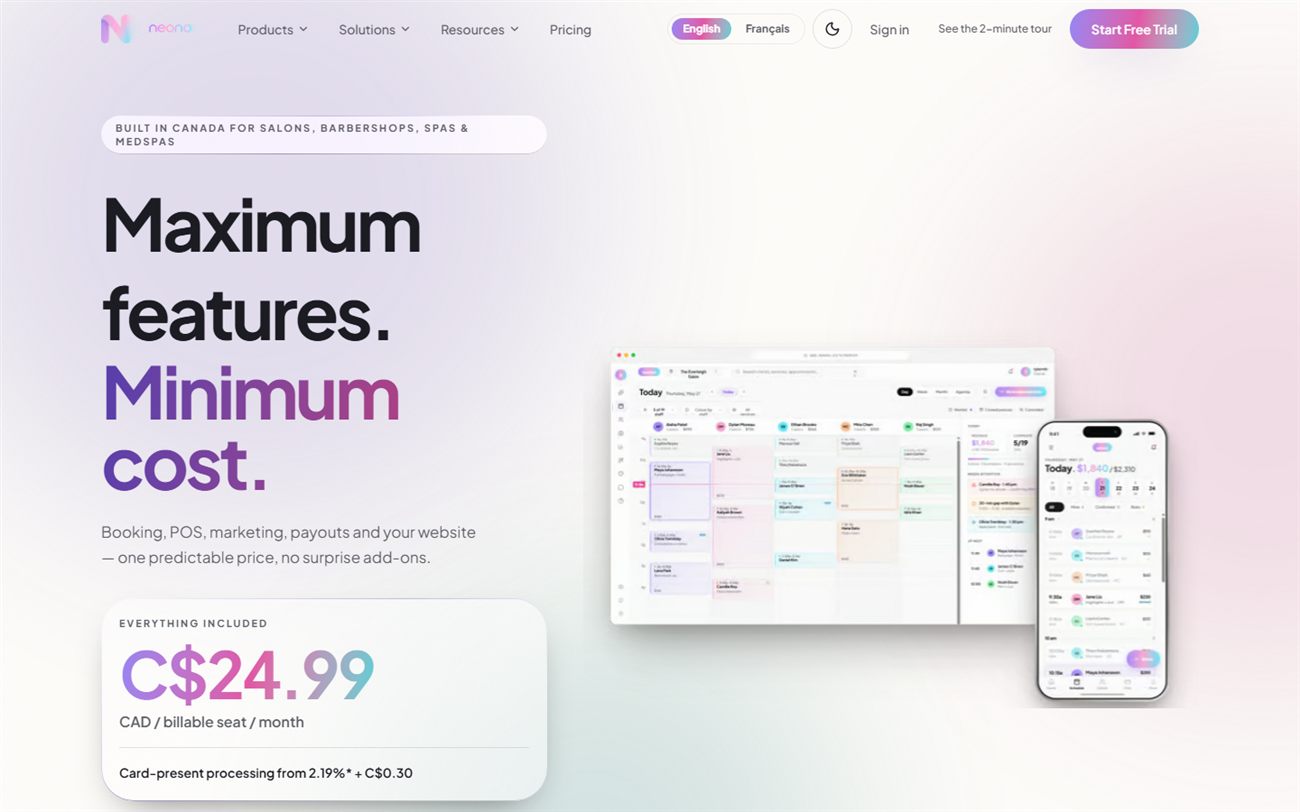
NeonO — All-in-One Salon & Spa Business Platform
Multi-tenant SaaS that runs salons, barbershops and spas on one platform: online booking, staff scheduling, POS and payments, client CRM, marketing campaigns, reviews, an online store with supplier dropshipping, and an AI voice receptionist.
Web SaaS (React + Supabase)

Pt Pal — Clinician Portal & Outcomes Dashboards
Clinician and organization portal behind the Pt Pal therapy app. Therapists, managers and org admins track patient adherence and outcomes, and the portal serves the mobile API, HL7 feeds, and scheduled survey and report jobs.
Web (PHP 8.3 + MariaDB)
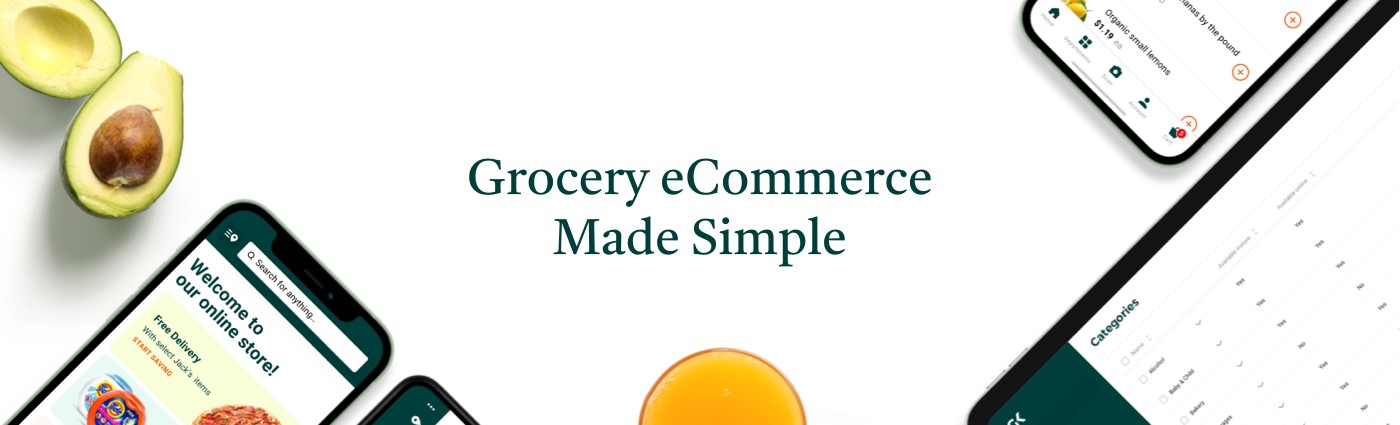
GrocerKey — White-Label Web Storefronts
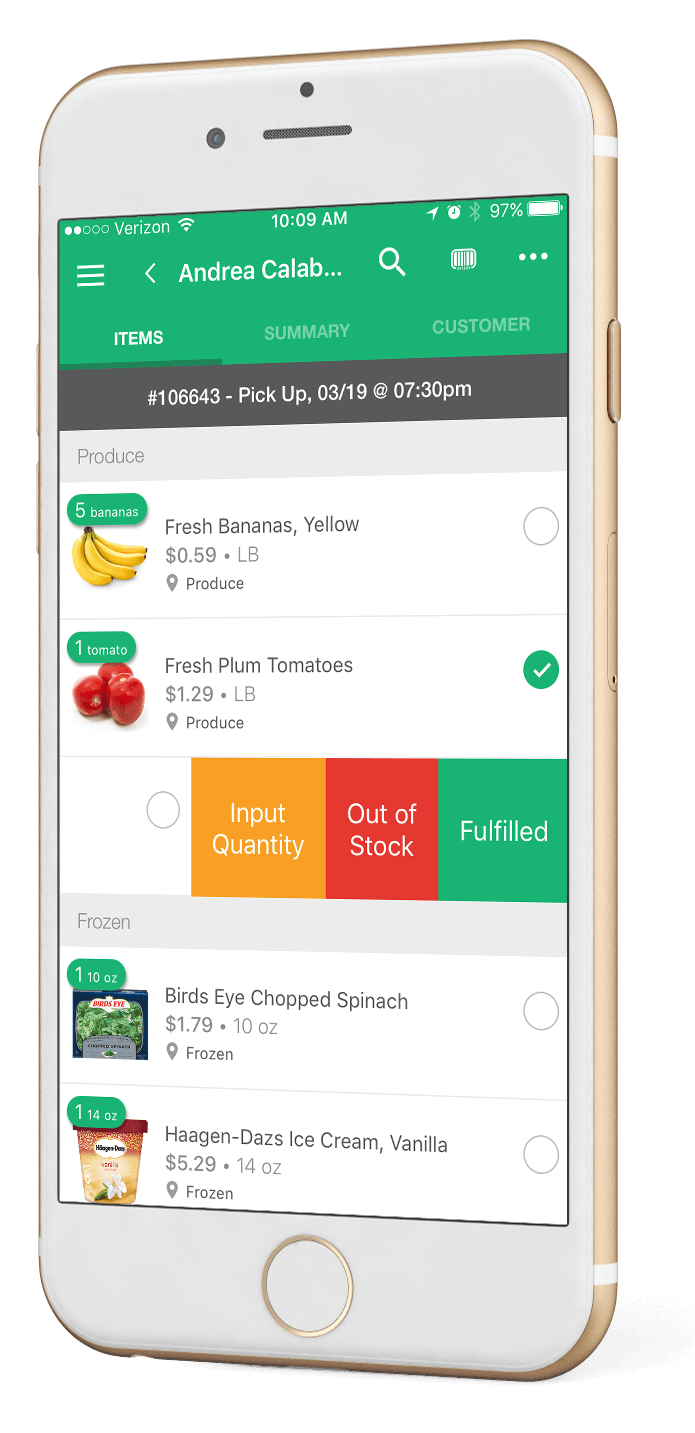
Enterprise white-label SaaS platform powering grocery storefronts for national retailers including Fareway, Kowalski's, and Stew Leonard's — with SSO authentication, Stripe payments, and LaunchDarkly feature flags for phased rollouts.
Web (TypeScript + Aurelia + React)
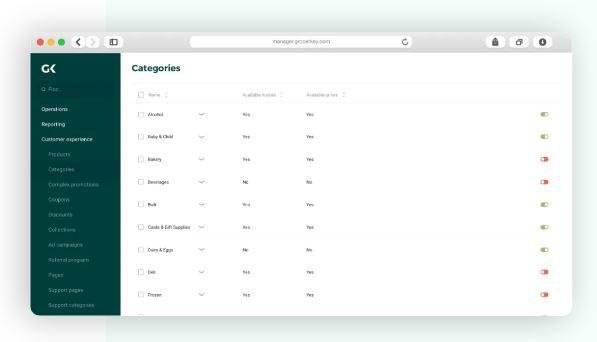
GrocerKey — Customer Web API
Customer-facing REST API powering GrocerKey's multi-retailer grocery storefronts — handling product catalog, search, pricing, promotions, cart/checkout, order tracking, and loyalty integration for millions of shoppers.
Backend (C# .NET)
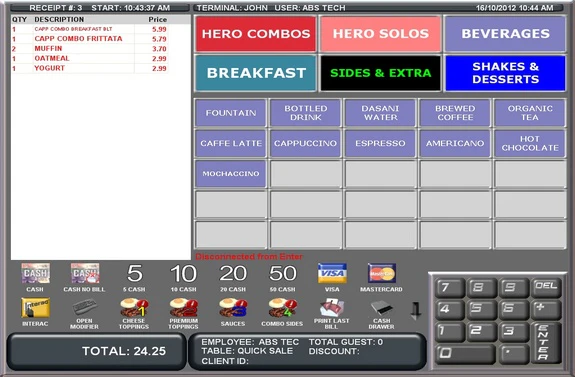
WinRest POS — Restaurant & Hospitality
Enterprise-grade point-of-sale solution for the hospitality sector with secure real-time transactions.
POS Platform
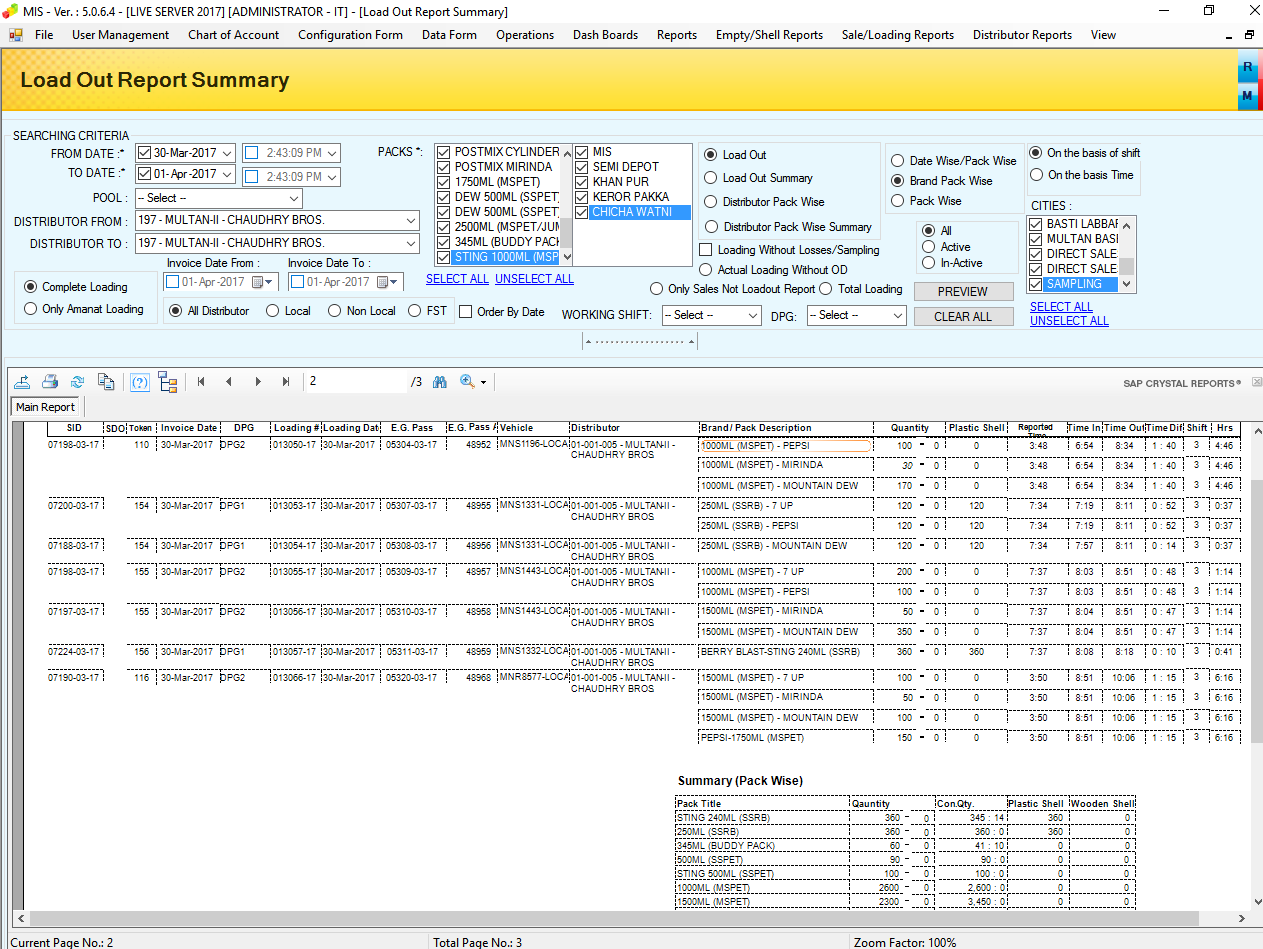
Primary Sales Data Management System
Desktop enterprise application for managing primary sales data flows, accounting, reporting, and operational accuracy.
Desktop (C# .NET)
Pyriolo — Payment Gateway Integration
Integrated Heartland payment gateway into pizza delivery service websites including Marco's Pizza, Greek's Pizzeria, and Aver's Pizza. Enabled secure online payment processing for restaurant chains.
Backend (C# .NET)
GrocerKey — E-Commerce Backend Services
Enterprise-scale microservices backend processing millions of grocery transactions — CQRS architecture with RabbitMQ event queues, ElasticSearch real-time indexing, Redis caching, and multi-tenant support across 10+ retailer configurations.
Backend (C# .NET + Microservices)
GrocerKey — Store & Operations API
Store-facing operations API and background processing layer for GrocerKey — handling order fulfillment, inventory sync, picker integration, event logging, and scheduled data refresh across all retailer locations.
Backend (C# .NET)

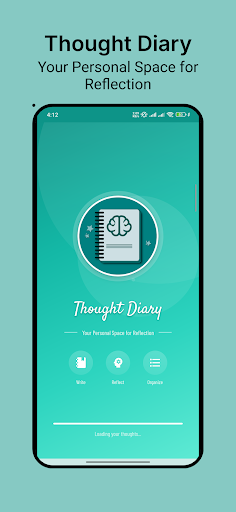
Personal Projects & Side Work
Independent builds, not client or employer work. Chrome extensions, PWAs, automation tools I built in my own time to solve my own problems or explore new stacks via AI-assisted workflows.
🧩 Chrome Extensions (self-published)
ScreenSolver AI
OpenAI vision API for on-screen MCQ and coding analysis. Manifest V3.
JS, Manifest V3, OpenAI API
Daraz Smart Shopper
AI extension analyzing 60+ data points per product for deal scoring and fake review detection.
JS, Manifest V3, Supabase
Google Maps Place Ranker
Auto-collects places from Google Maps searches, ranks and filters, exports to CSV.
JS, Manifest V3, MutationObserver
Upwork Job Insights
Privacy-first extension surfacing hidden client quality data with color-coded badges.
JS, Manifest V3
Playlist Transcripts
Bulk YouTube playlist transcript extraction with multi-language support and ZIP export.
JS, YouTube API, JSZip
Laam Smart Shopper
Price comparison for Laam.pk with deal detection and product analysis.
JS, Manifest V3
🌐 Web / Backend / PWA
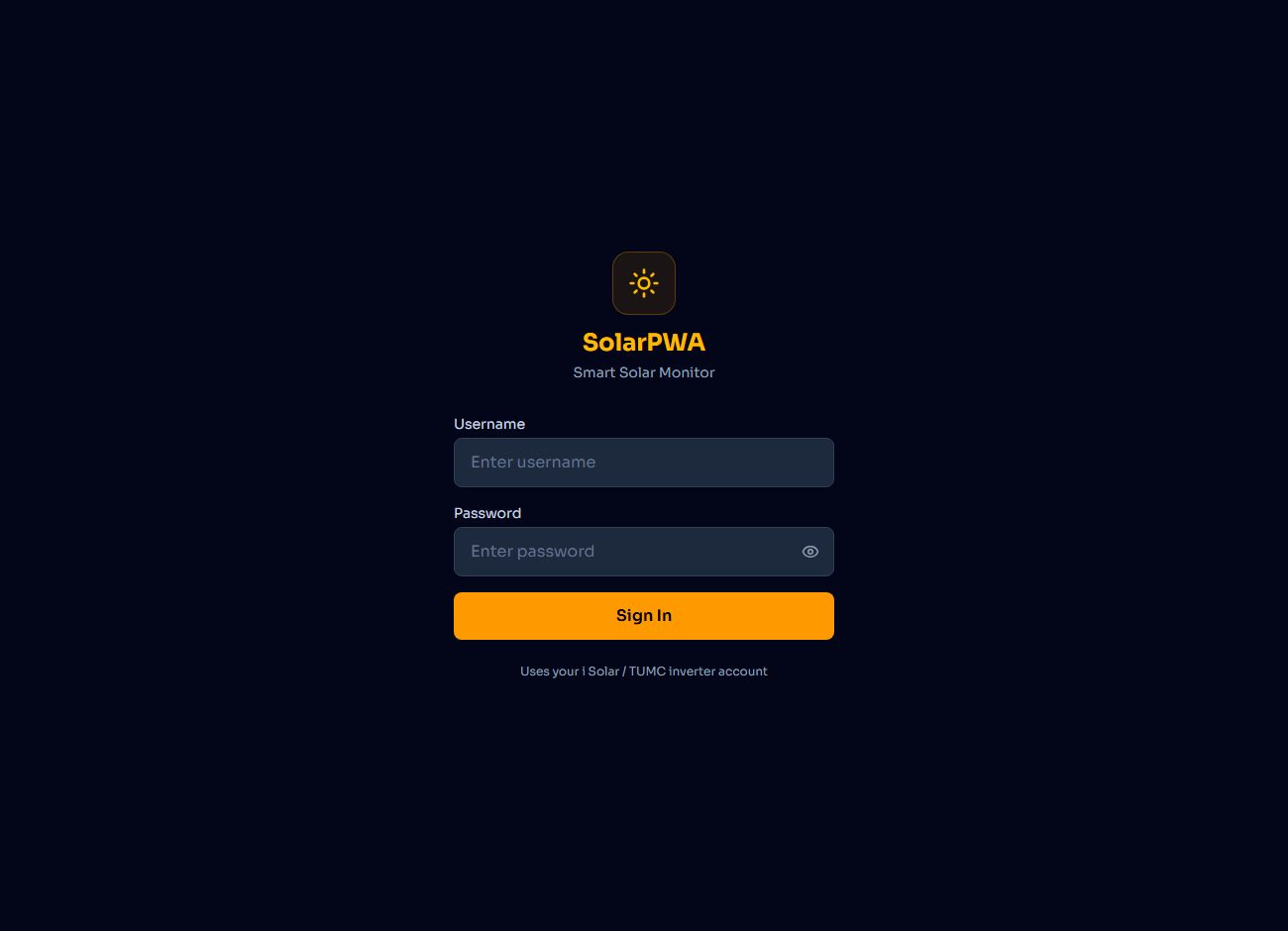
SolarPWA Smart Solar Monitor
Installable web app for home solar systems: live solar output, battery charge, grid import and export, and household load, with history charts and alerts. Signs in with the owner's inverter account.
Next.js, React, Recharts, PWA

Pakistani Brands Fashion Hub
Aggregator linking 679k+ products across 210 Pakistani fashion brands — one search, direct links to each brand store, no tracking.
Next.js, Tailwind
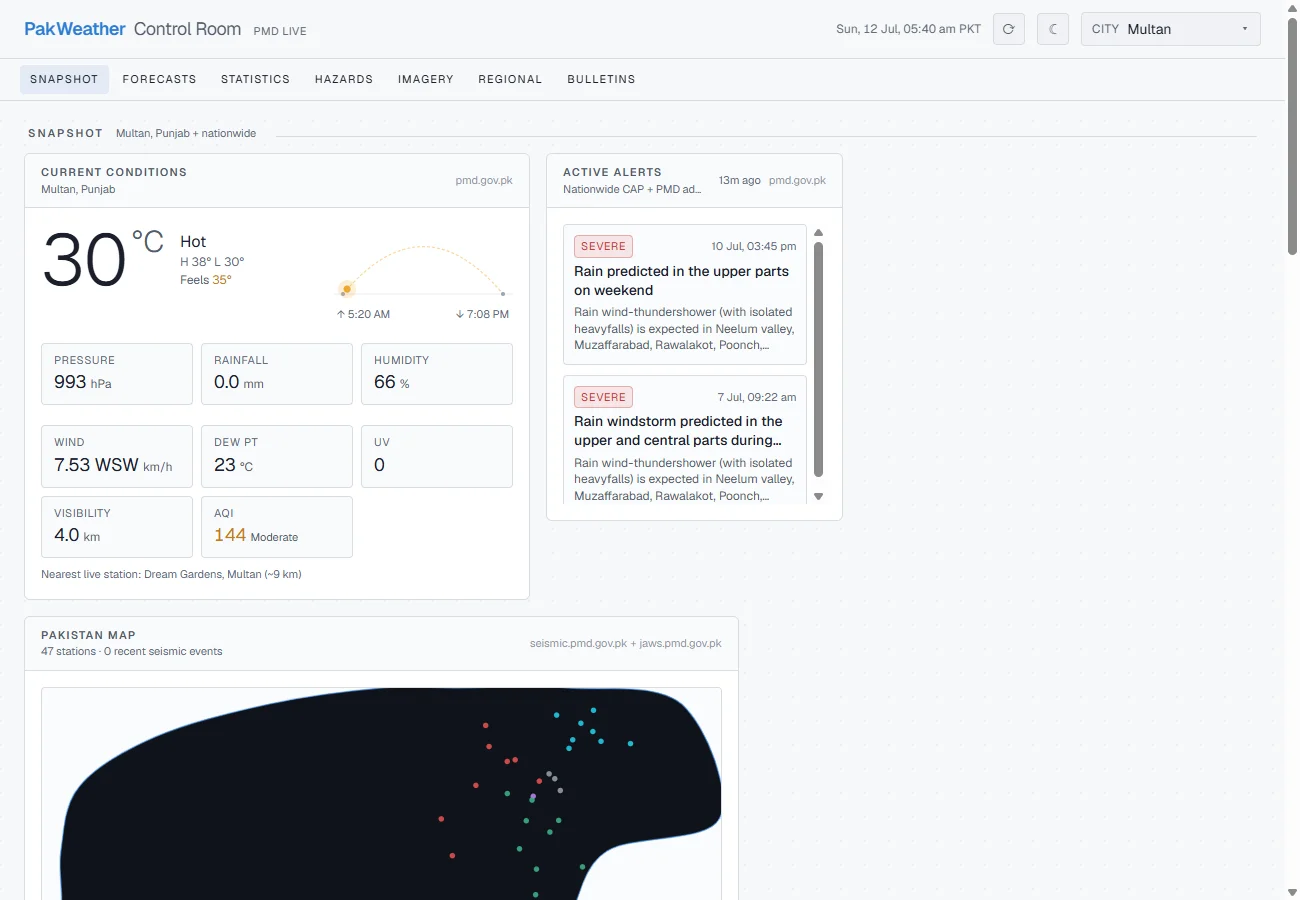
PakWeather Control Room
Live control-room dashboard over Pakistan Meteorological Department data — current conditions, CAP severe-weather alerts, the AWS station network, satellite/radar imagery, seismic events, and fog/flood status across cities nationwide.
Next.js, React, PMD Data
Availability & Timezone Overlap
Remote with global clients since 2011. 40+ hours/week. Working hours 11 AM – 3 AM PKT (UTC+5), 16-hour daily window.
UK / EU Central / Middle East
StrongGMT, CET, Dubai (UTC+4)
Full workday overlap
US East Coast
StrongEST / EDT
Full workday overlap (until 5–6pm their time)
US Central
StrongCST / CDT
Full workday overlap (until 4–5pm their time)
India
StrongIST (UTC+5:30)
From 11:30am their time, through the workday
US Mountain / West Coast
AsyncMST / PST / PDT
Mornings to 2–4pm their time, async-friendly
Singapore / China
AsyncSGT (UTC+8)
Afternoons only (2–6pm their time)
📍 Based in Multan, Pakistan — Remote-only, no relocation
Client Reviews
What clients say after working with me
"Great experience working. Very professional, delivered tasks on time, and communicated clearly throughout the project. Highly recommended."
Database Expert — MongoDB + Flutter Sync & Local Storage
"Always delivers excellent results. On time and on budget. We only trust our development projects to Zaeem!"
WinRest Integration to Moneris GO Pinpad
Speaking & Seminars
Guest speaker at 5 universities, sharing real-world engineering experience, career paths and how the tech industry works
University of Southern Punjab, Multan
usp.edu.pkTech Industry Career Counselling — Jinnah Auditorium. Topics: Future of Tech Careers, AI & Cybersecurity, Career Roadmaps, Skills Industry is Looking For.
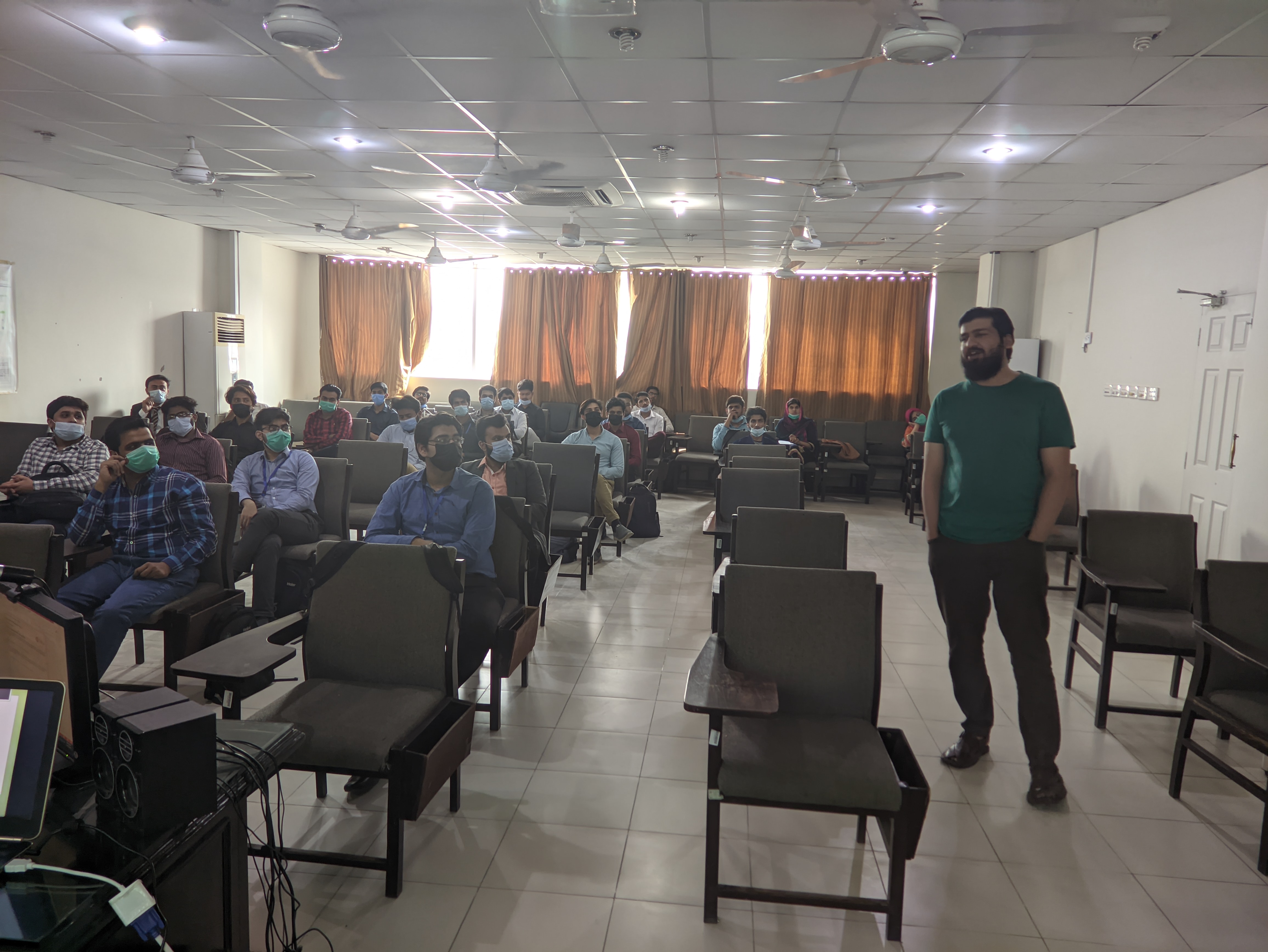
AIR University Multan
Career in Tech — Mobile & Web Development
March 2021
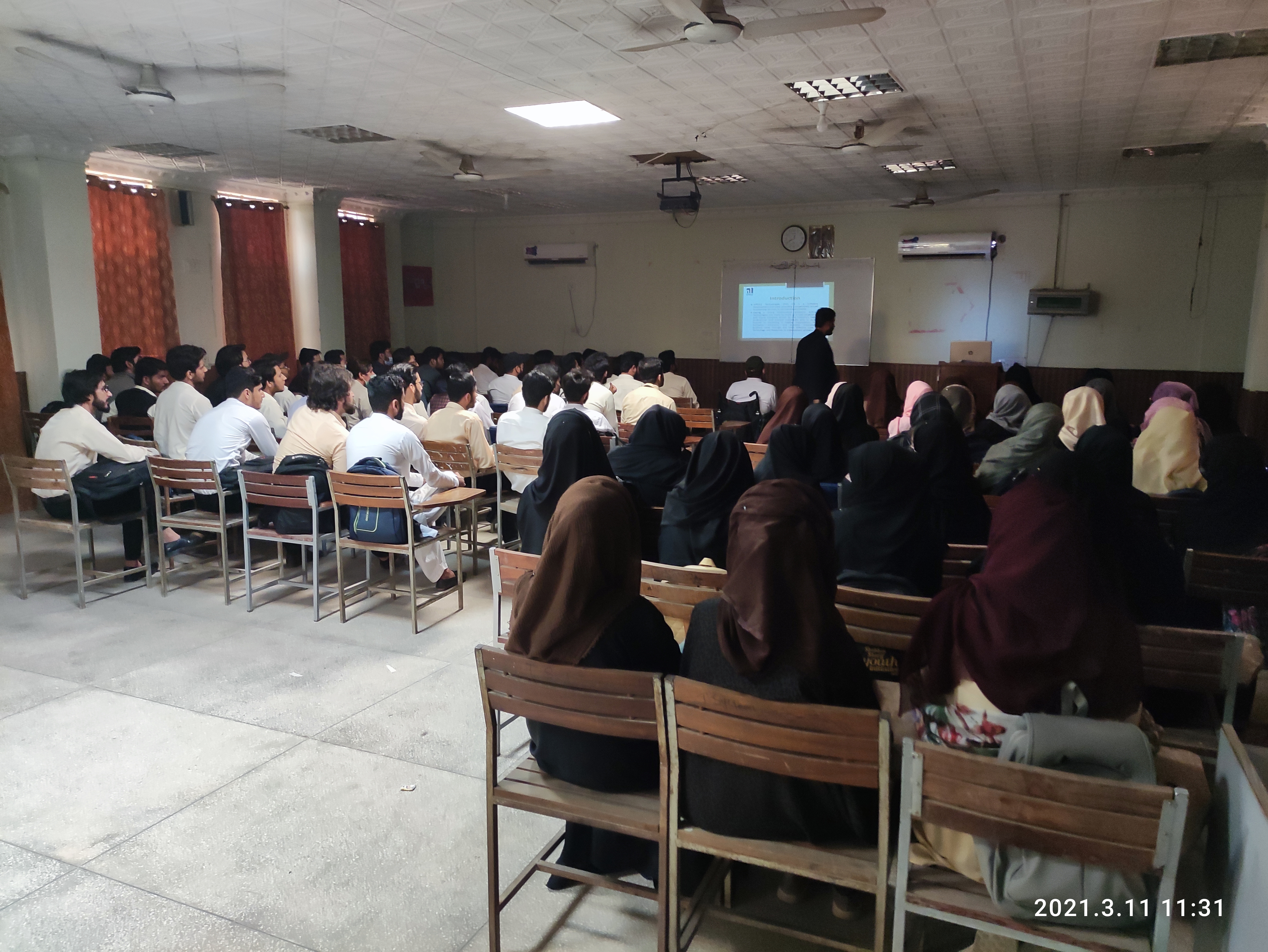
Bahauddin Zakariya University
Career in Tech — Software Engineering Paths
March 2021
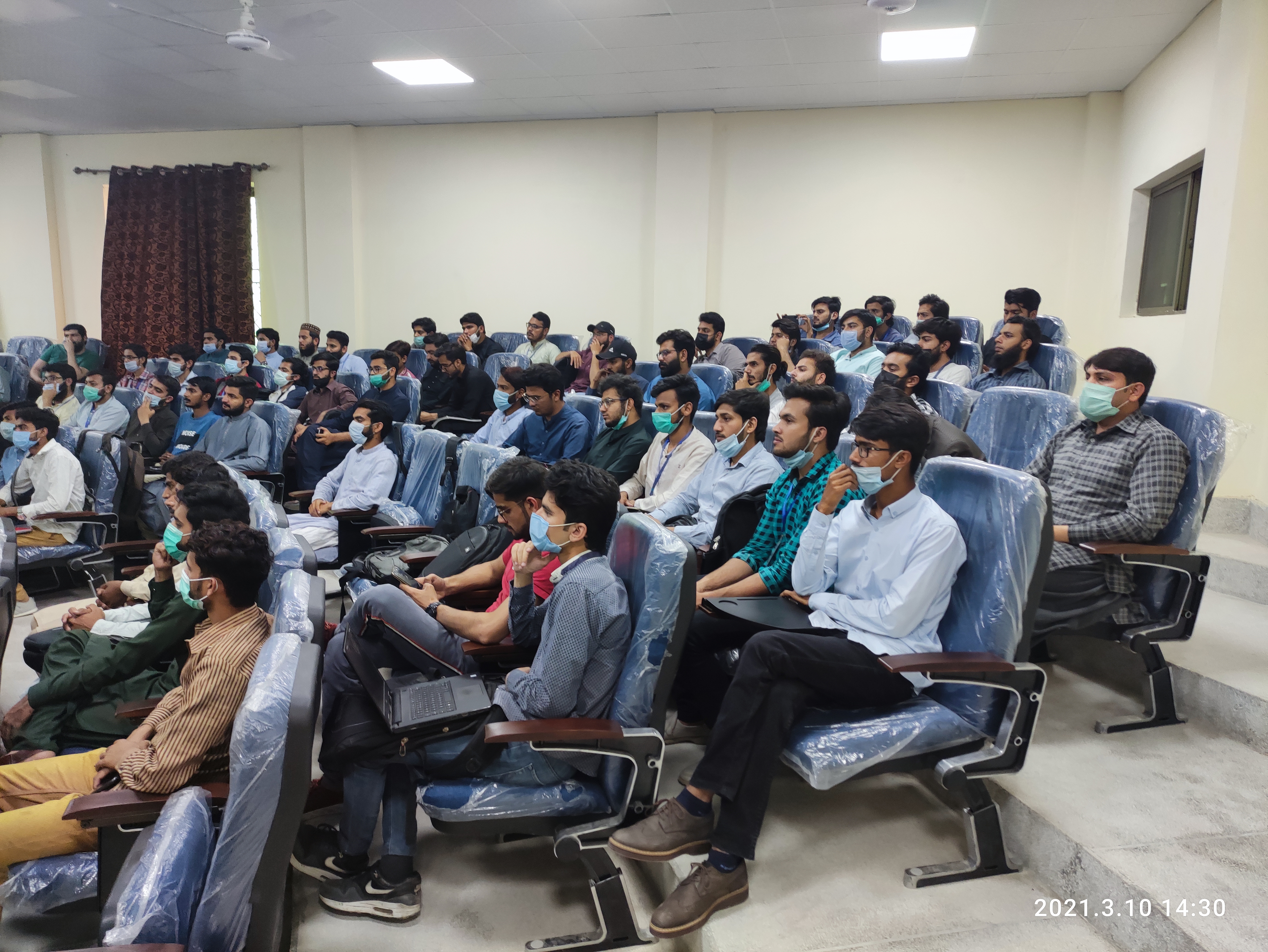
MNS University of Agriculture
Career in Tech — From University to Industry
March 2021
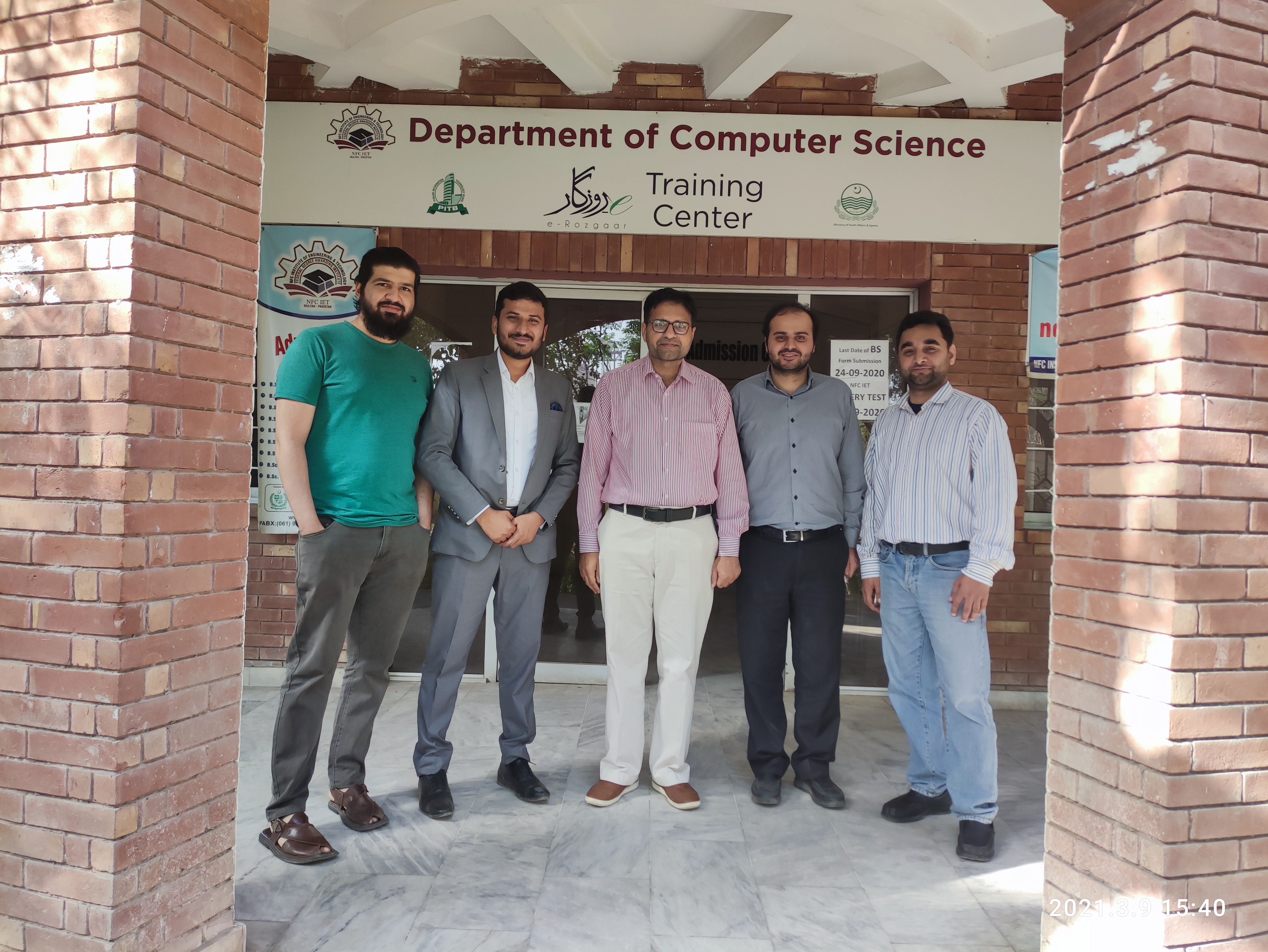
NFC Institute of Engineering & Technology
Career in Tech — Building Real-World Products
March 2021
Experience
16+ years, from trainee to technical lead, with remote freelance work for US, UK and EU clients alongside full-time roles since 2011
Senior Backend Engineer (Freelance)
2023 – PresentFreelance / Upwork
Building AI-powered products, SaaS platforms, mobile apps, and enterprise backends for international clients. Flutter, React, .NET, NestJS, LLM integration.
Full Stack Developer
2022 – 2023GrocerKey (Point Pickup Technologies)
E-commerce platform for grocery retailers. Built order modification flows (EBT/credit/gift/tips), user targeting for phased rollouts, and performance optimization under peak traffic.
Team Lead / Tech Lead
2020 – 2022Atrule Technologies
Led a team building mobile apps (Flutter & Android), backend APIs (.NET), and nopCommerce e-commerce storefronts. Shipped 15+ apps to Play Store and App Store.
Senior Software Engineer
2017 – 2020CLEVIATECH
Built WinRest POS integrations (Uber Eats, Clover, Moneris, Flyt), Dialoct lawyer-client platform (Xamarin + Twilio VoIP), and payment gateway integrations.
Senior Software Engineer
2014 – 2017Pepsi Cola Bottler
Enterprise MIS for primary sales data management. Automated yearly closing processes, migrated business logic to stored procedures, and built HR salary management systems.
Junior Software Engineer
2012 – 2014Green Fin Technologies
Desktop and web application development using C# .NET and SQL Server.
Education
BS Computer Science
2006 – 2010COMSATS Institute of Information Technology
Islamabad, Pakistan
Let's Work Together
I've spent 16 years making sure the hard parts get done right.
Bring me the problem that's been stuck. I'll ship the solution that isn't.